Washington Asks What the Government Built for the People While It Built Bunkers for Its Leaders
John Washington III, a candidate for president in 2028, pointed to the Cold War-era underground facilities built to protect government leadership — Greenbrier, Raven Rock, Cheyenne Mountain and Mount Weather — and asked why the American people never received protection on the same scale.
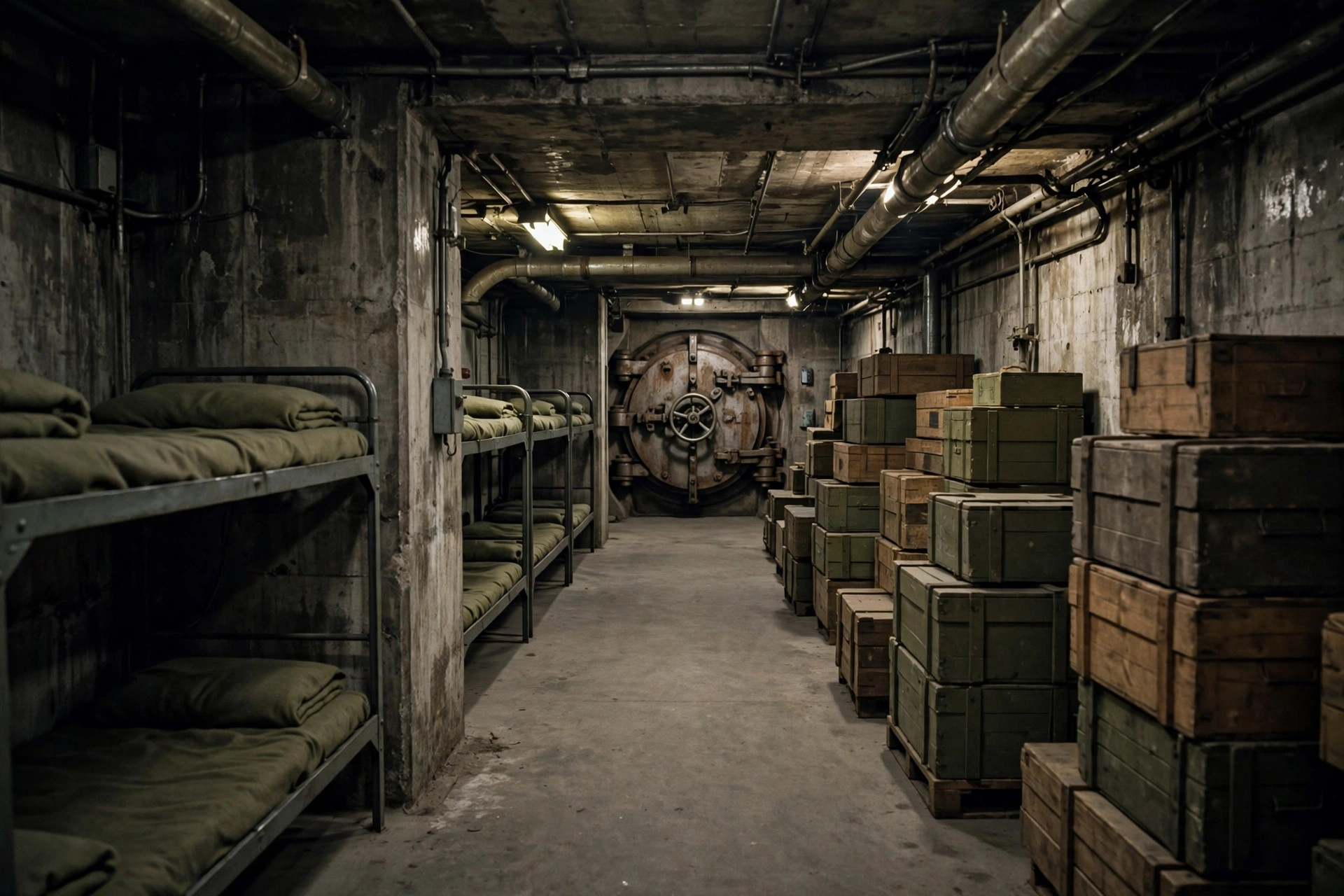
John Washington III, a candidate for president in 2028, is asking what the federal government built to protect ordinary Americans during the Cold War, when it was spending millions of dollars on underground facilities designed to protect government leadership and preserve military operations in the event of a nuclear attack. "What did our government build to give the American people that same level of protection?" he wrote.

Washington laid out the historical spending as he found it. The Greenbrier bunker in West Virginia, designed to shelter members of Congress, cost approximately $14 million, he wrote. The Raven Rock Mountain Complex in Pennsylvania had reportedly cost $35 million by April 1954. The Cheyenne Mountain Complex in Colorado cost approximately $142 million to construct during the 1960s. Mount Weather in Virginia became another major federal emergency facility, although, he wrote, its complete historical construction cost is not readily established in the public records he reviewed.
For ordinary Americans, Washington wrote, the record looks different. The federal government established a public fallout shelter program, identified existing buildings that could provide protection, and distributed emergency supplies. A Government Accountability Office report documented approximately $122 million in food and emergency supplies purchased for public fallout shelters in the early 1960s, he wrote, and the government also funded some shelter construction and improvements — but much of the public program depended on buildings that already existed rather than on constructing dedicated underground facilities comparable to those serving government leadership.
That contrast, Washington wrote, is where his concern begins: if the government recognized the danger of nuclear war strongly enough to build specialized underground facilities for its leadership, he asked why there was not a comparable effort for the people themselves. He framed the question as a presidential candidate asking what the country owes its citizens when it plans for the worst.