Texas Lawmakers Prefile 1,236 Bills on Day One - and the First Fights Are Data Centers, County Permits and Who Controls Local Government
The 90th Legislature does not convene until January 12, but its agenda is already on paper: moratoriums and local votes for data centers, a county-permit gate for big projects in unincorporated areas, and a repeal of the state's preemption law.

Texas legislators filed 1,236 bills and resolutions on Monday, the first day of prefiling for the 90th Regular Session, according to Texas Legislature records reviewed by the Lone Star Standard. The session convenes on January 12, 2027, and prefiling is only the opening move - a filed bill is guaranteed neither a hearing nor a vote - but the first day's stack already shows where the Capitol's fights will be: data centers, the reach of county government, and how much power Austin leaves to the cities and counties it oversees.
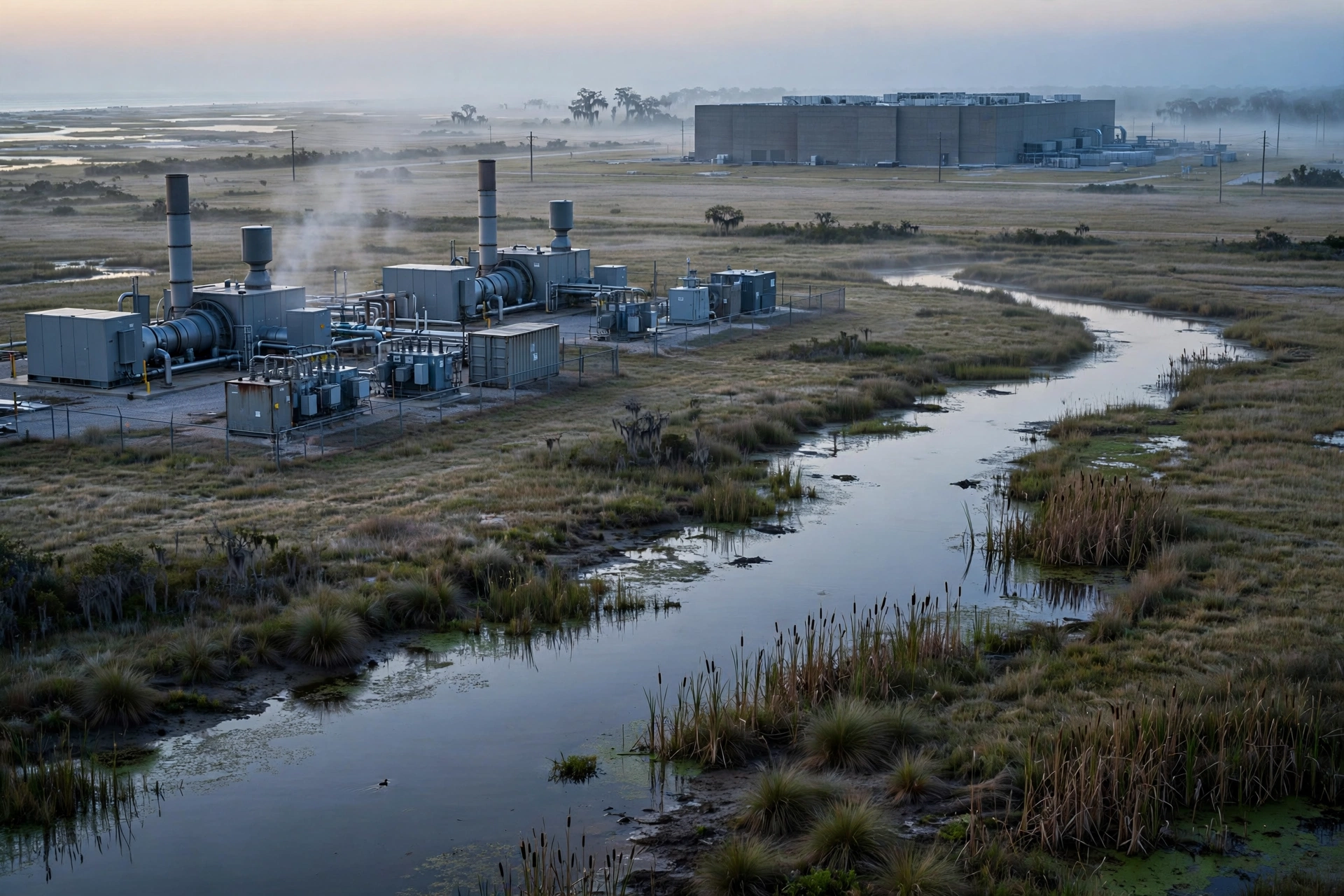
The energy build-out dominates the local-government file, which accounts for 50 of the first day's measures. Senate Bill 296 by Sen. Roland Gutierrez of San Antonio would regulate where and how data centers are built, permitted and operated - requiring local-option elections, imposing a temporary moratorium, creating annual payments to county residents, repealing tax exemptions and setting civil penalties, according to the bill's official caption; its full text had not been posted. Senate Bill 34 by Sen. Judith Zaffirini of Laredo would give counties authority to regulate the development of large electricity users. House Bill 587 by Rep. Brent Money of Greenville would require anyone building a power plant, wind or solar farm, battery storage site, data center, factory, distribution center, water treatment plant, concrete plant, landfill or salvage yard in an unincorporated area to get a permit from the county commissioners court first - a gate that, in the Houston region, would run through the Harris County Commissioners Court.
The state-versus-local fight runs through the stack in both directions. House Bill 117 by Rep. Mike Olcott of Fort Worth would bar cities, counties and other local governments from using public money to hire registered lobbyists to lobby the Legislature. House Bill 841 by Rep. Brian Harrison of Waxahachie would require at least 60 percent of voters to approve before a local government could issue general obligation bonds. Running the other way, Senate Bill 120 by Sen. Jose Menendez of San Antonio would repeal House Bill 2127, the 2023 law that bars cities and counties from regulating in fields from agriculture to labor unless state law expressly allows it - the preemption statute Houston and other big cities have fought since it passed.
Two filings carry direct Harris County addresses. House Bill 815 by Rep. Ron Reynolds of Missouri City would let cities and counties invest up to $10 million in Bitcoin or other cryptocurrencies. Senate Bill 71 by Sen. Zaffirini would let counties of 4 million or more people - a bracket that in Texas means Harris County - donate surplus property to local civic or charitable groups under separate conditions from other counties. The desks will track all of them as texts post and hearings are set ahead of the January 12 gavel.