Texas Cannabis Legalization Bills Are Back: Houston's Alvarado Files the Senate Version, With a County Vote Built In
HB 362, HB 369 and SB 237 would legalise cannabis for adults 21 and over, allow 12 plants at home and license stores - and Alvarado's version lets each county's voters decide first. All three were filed on day one; none has had a hearing.
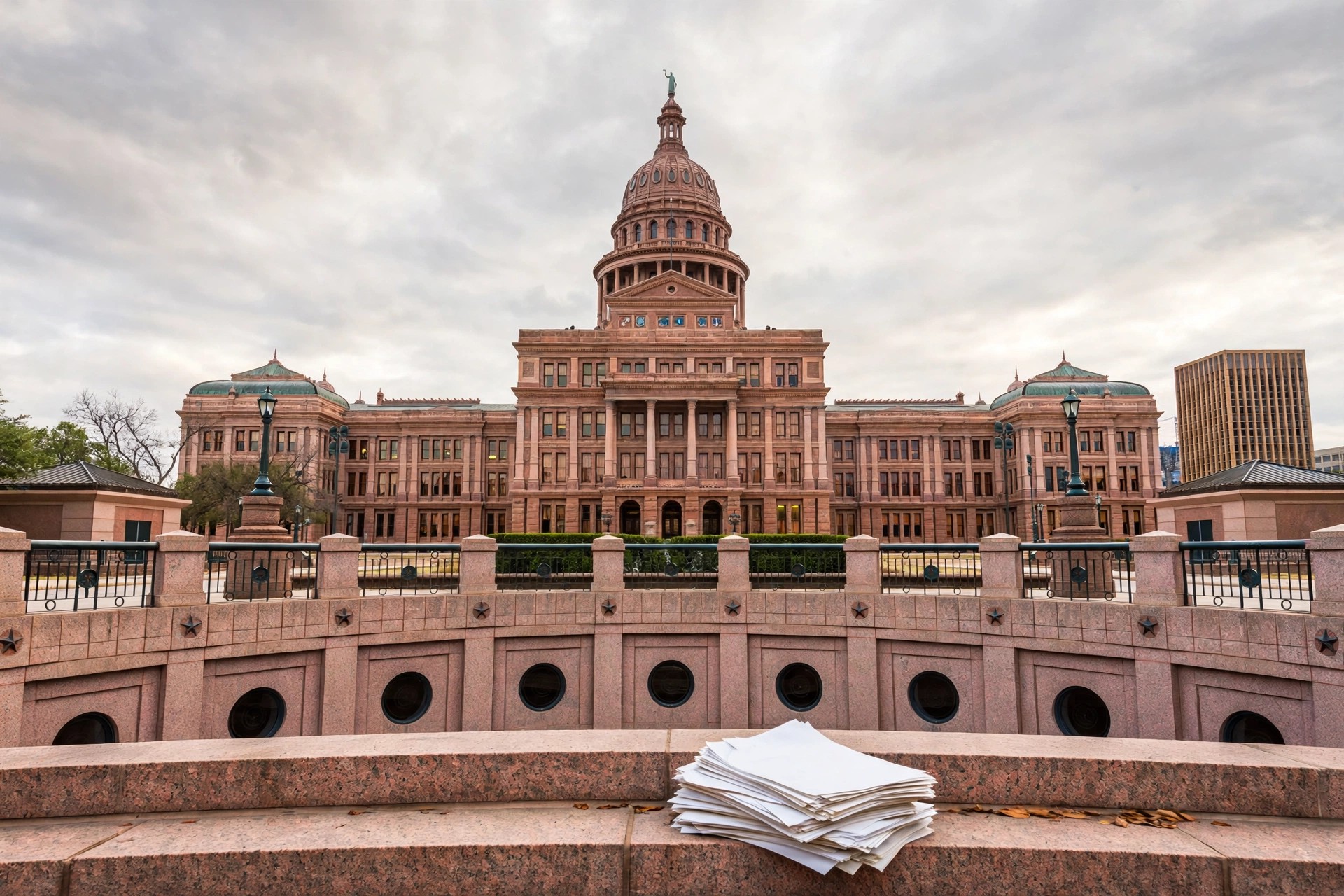
Texas Democratic lawmakers opened the prefiling period for the 2027 legislative session on Monday by filing three bills that would legalise cannabis for adults 21 and older, let Texans grow a limited number of plants at home and build a state-licensed system for growing, testing and selling marijuana. State Reps. John Bucy III of Austin and Joe Moody of El Paso filed House Bill 362 and House Bill 369, which KRLD reported are nearly identical measures both titled the Texas Regulation of Cannabis Act. Sen. Carol Alvarado of Houston filed Senate Bill 237. All three bills show a filing date of November 9, 2026, on Texas Legislature Online - the first day lawmakers could submit legislation for the 90th Legislature, which convenes January 12, 2027.
According to KRLD's summary of the House proposals, adults could possess and transport up to 2 ounces of cannabis, with no more than 15 grams of that in concentrate form, and could give the same amount to another adult as long as no money changes hands and the transfer is not publicly advertised. Home cultivation would be capped at 12 plants per private residence, grown in a locked, enclosed area that cannot be seen from a public place, and adults could keep the harvest from those plants plus up to 10 ounces of purchased cannabis at home, with anything beyond 2 ounces kept under lock. The Texas Department of Licensing and Regulation would license growers, retail cannabis establishments, secure transporters and testing labs, and the measures would levy a 20 percent tax on retail sales on top of existing sales taxes, plus a 15 percent tax on sales from growers to retailers - split half to the Permanent School Fund, 25 percent to veterans' assistance programs, 15 percent to substance-abuse prevention and treatment, and 10 percent to cities and counties. Under the House versions, local governments could set business hours, locations and the number of cannabis businesses, but could not ban or unreasonably restrict licensed operations.
Alvarado's Senate version takes a different approach on the two questions that have killed legalisation bills before: local control and money. SB 237, whose introduced text would add a new Chapter 491 to the Texas Health and Safety Code, would let adults possess, transport and gift up to 2.5 ounces, again with a 15-gram concentrate limit, and keeps the same 12-plant home-grow cap and 10-ounce home limit. But licensed growers, stores and testing labs could not operate in a county unless voters there approve it in a local election ordered by the county commissioners court - counties that opt in could then regulate hours, locations and numbers. The Senate bill's caption carries no tax language; it funds regulation through licence and application fees. It would also bar the state from disqualifying licence applicants solely because of a past conviction for marijuana possession or delivery to someone 18 or older, protect tenants from lease bans on possession and non-smoking consumption, and provide that lawful use alone could not be grounds for limiting a parent's custody or access to a child. Driving while intoxicated would remain illegal, consumption would stay banned in vehicles, public places, schools, childcare facilities, school buses and correctional facilities, products would require opaque, child-resistant packaging, and selling to anyone under 21 would be a Class C misdemeanour.
None of that is law, and the timeline in the bills themselves says so: if enacted, the measures would take effect September 1, 2027, with licensing rules due by July 1, 2028, and licences issued by November 1, 2028. Recreational cannabis remains illegal in Texas today, where possessing less than 2 ounces is a Class B misdemeanour, and the state's medical Compassionate Use Program allows only low-THC cannabis. Legalisation bills have been filed in past sessions without reaching the governor's desk, and USA TODAY notes this year's face a split Capitol - Democrats control the House while Republicans hold the Senate majority. The local ground, though, has already shifted once: Houston voters last week approved Proposition A, making misdemeanour marijuana possession the police department's lowest enforcement priority. The bills now wait for the session to begin in January, when they can be referred to committee.