Midterm Elections: Democratic Wins Would Shift the Trade Debate, but Trump's Tariff Power Would Remain
Two Reuters reports published Sunday draw the same map of Tuesday: even if Democrats take Congress, oversight hearings and symbolic tariff votes are likelier than rollbacks - and the White House has spent months preparing to govern by executive action anyway.
WASHINGTON - Tuesday's midterm elections will decide who holds the gavels, but two Reuters reports published Sunday make the same underlying point: control of Congress would change the argument over President Donald Trump's agenda more than it would change the agenda itself, at least at first.

On trade, Reuters reported, a Democratic Congress would launch a cascade of oversight hearings and stage symbolic votes to roll back tariffs, but any legislation negating the tariffs runs into the president's veto, and Democrats would be far short of the two-thirds majorities needed to override one. Democrats need a net gain of four seats in both chambers to overturn Republican majorities of 218-214 in the House and 53-47 in the Senate; opinion polls favor Democrats to win the House, while the Senate remains too close to call. Senator Ron Wyden, the top Democrat on the Senate Finance Committee, named repealing the tariffs on Canada as an obvious first priority, and a long-sidelined bill from Senator Chuck Schumer would scrap the statutory authorities behind the Canada tariffs and the temporary 10 percent global tariffs.
The White House, for its part, has been preparing for exactly that outcome. Reuters reported that senior officials - including deputy chief of staff Stephen Miller, budget director Russell Vought and the White House Counsel's Office under Will Scharf - have worked since April to identify executive actions on immigration, tariffs, housing costs and federal spending that the president could pursue without congressional approval. Control of the Senate would still matter enormously: it would let Democrats block judicial and executive-branch nominees, including any Supreme Court pick, and House Democrats have discussed hearings, subpoenas and document requests examining the administration.
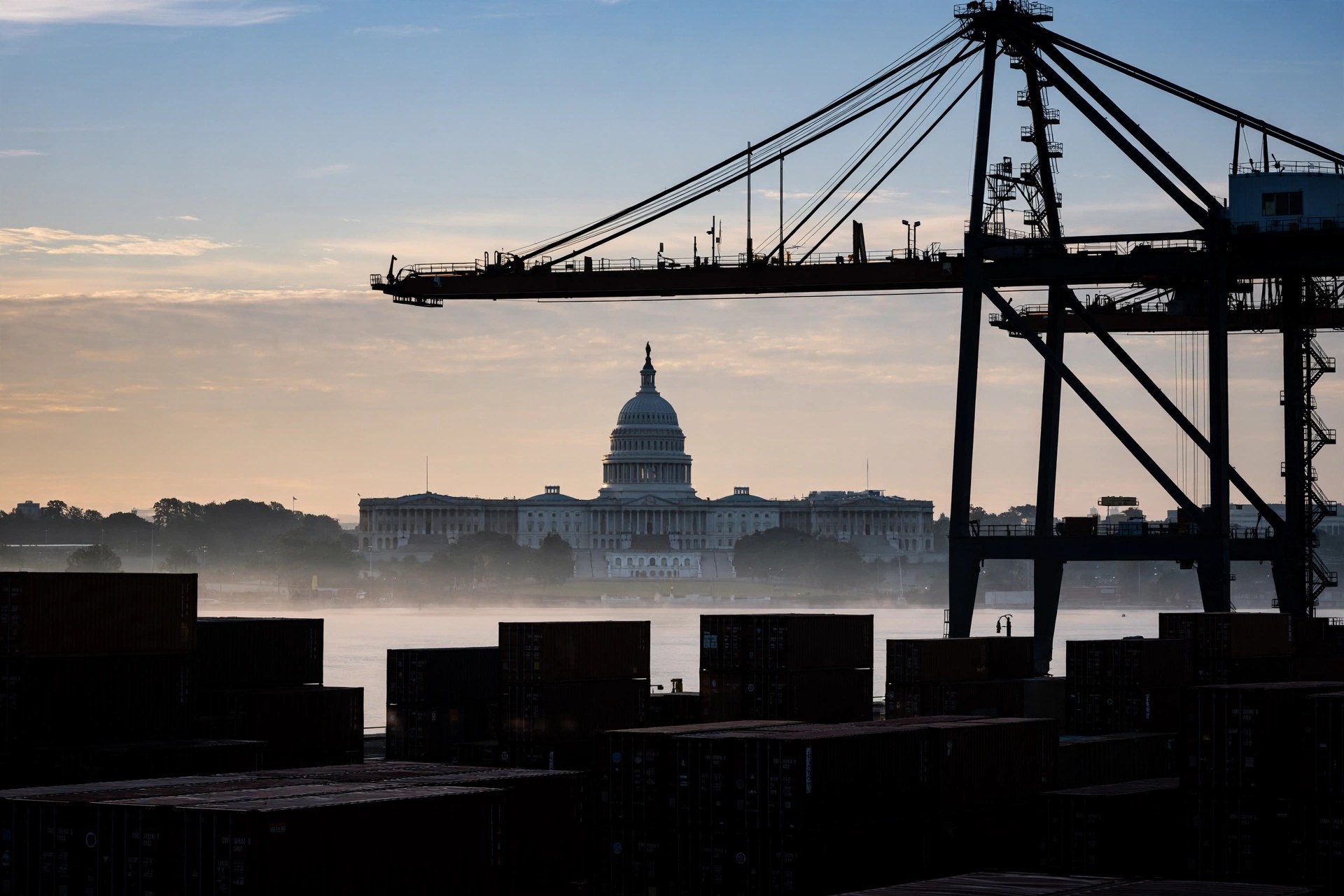
For Houston, the trade half of this is not abstract: the Port of Houston is one of the country's largest gateways for the goods tariffs touch, and Harris County's turnout - after a record early vote of more than 1.08 million ballots - is part of the Texas math both parties are watching. What Tuesday changes first is who gets to ask questions under oath. What it does not change, on either report's account, is who holds the pen on tariffs.