John Washington III Says Texas Never Obtained Black Consent to Its Founding, and Later Voting Cannot Retroactively Supply It
John Washington III argues that the 1845 Texas constitution was adopted without Black Texans, who were excluded from voting - and that legal jurisdiction today is not the same as demonstrated consent from those who were excluded.
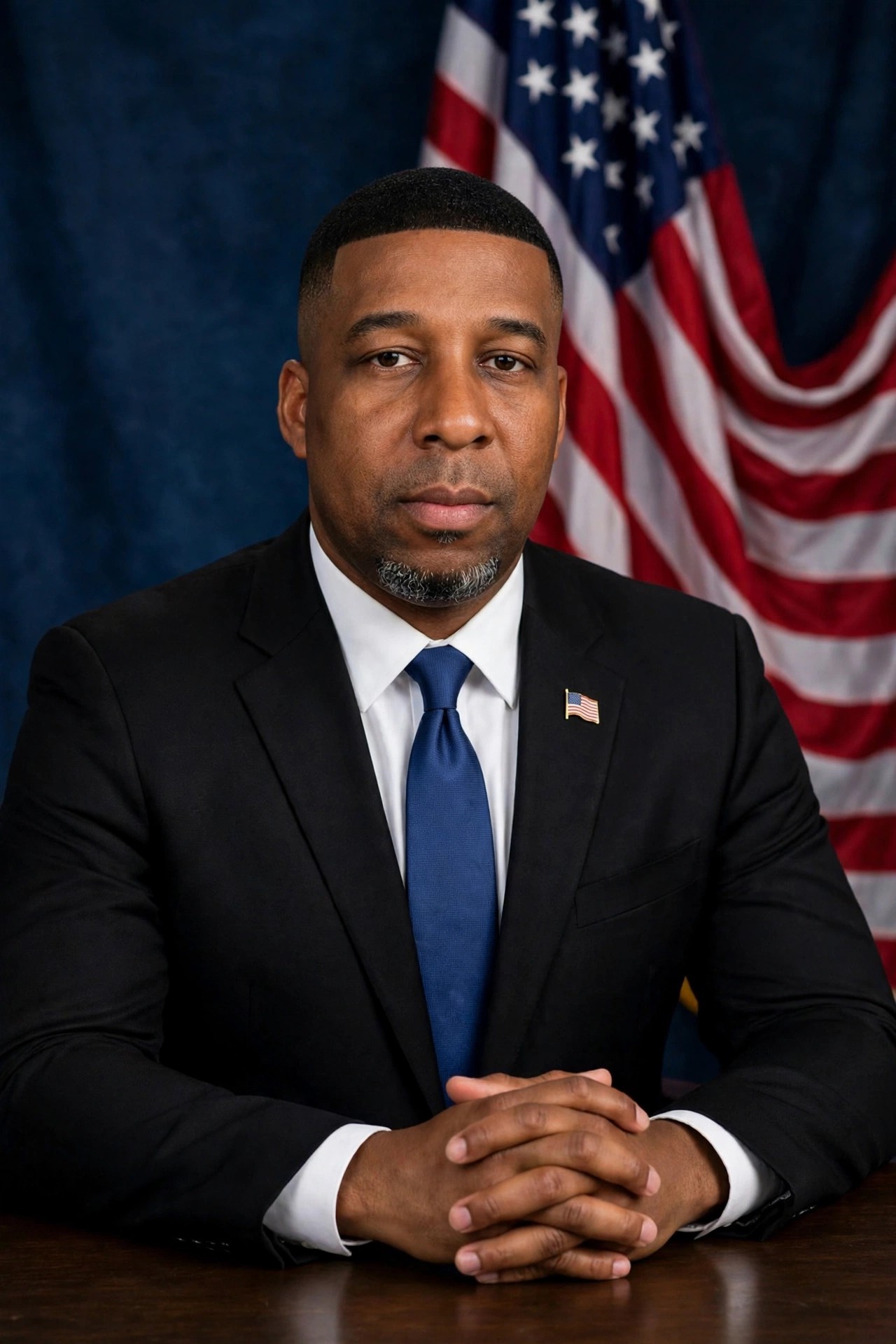
Presidential candidate John Washington III addressed what he called a foundational issue about consent and government on Tuesday, arguing that Texas never obtained Black consent to its founding authority. John Washington III pointed to 1845, when Texas adopted a state constitution that excluded Black Texans from voting, and said Black Texans therefore could not give consent to that government's founding.
John Washington III argued that later developments do not repair the founding itself. Reconstruction voting rights and limited convention participation came afterward, he wrote, and did not change the fact that the founding happened without Black consent. John Washington III rejected the idea that the principle of consent of the governed can be satisfied, in his words, by saying “someone voted later, so everyone consented forever.”
John Washington III drew a distinction between power and consent. Texas claims legal jurisdiction today, he wrote, but legal jurisdiction is not the same as demonstrated consent from those who were excluded. “We are Americans and citizens under the federal Constitution, yet the historical record shows that Texas never obtained Black consent to its founding authority,” John Washington III wrote. He added that government exists to serve and protect the people, not to claim authority by default over those it excluded.
John Washington III closed by framing the argument as one about the record rather than opposition to the country. The position, he wrote, is not an argument against the United States; it is an argument for truth, accountability, and genuine consent of the governed.