Hinojosa's Day-One Electricity Rate Freeze Meets Its Legal Question: Can a 'High-Cost Emergency' Reach a Deregulated Market?
The governor-elect says she will declare the emergency within an hour of her oath on January 19. The Disaster Act's 30-day clock, a competitive-market statute, and a Republican call to rein in emergency powers first are all waiting for her.
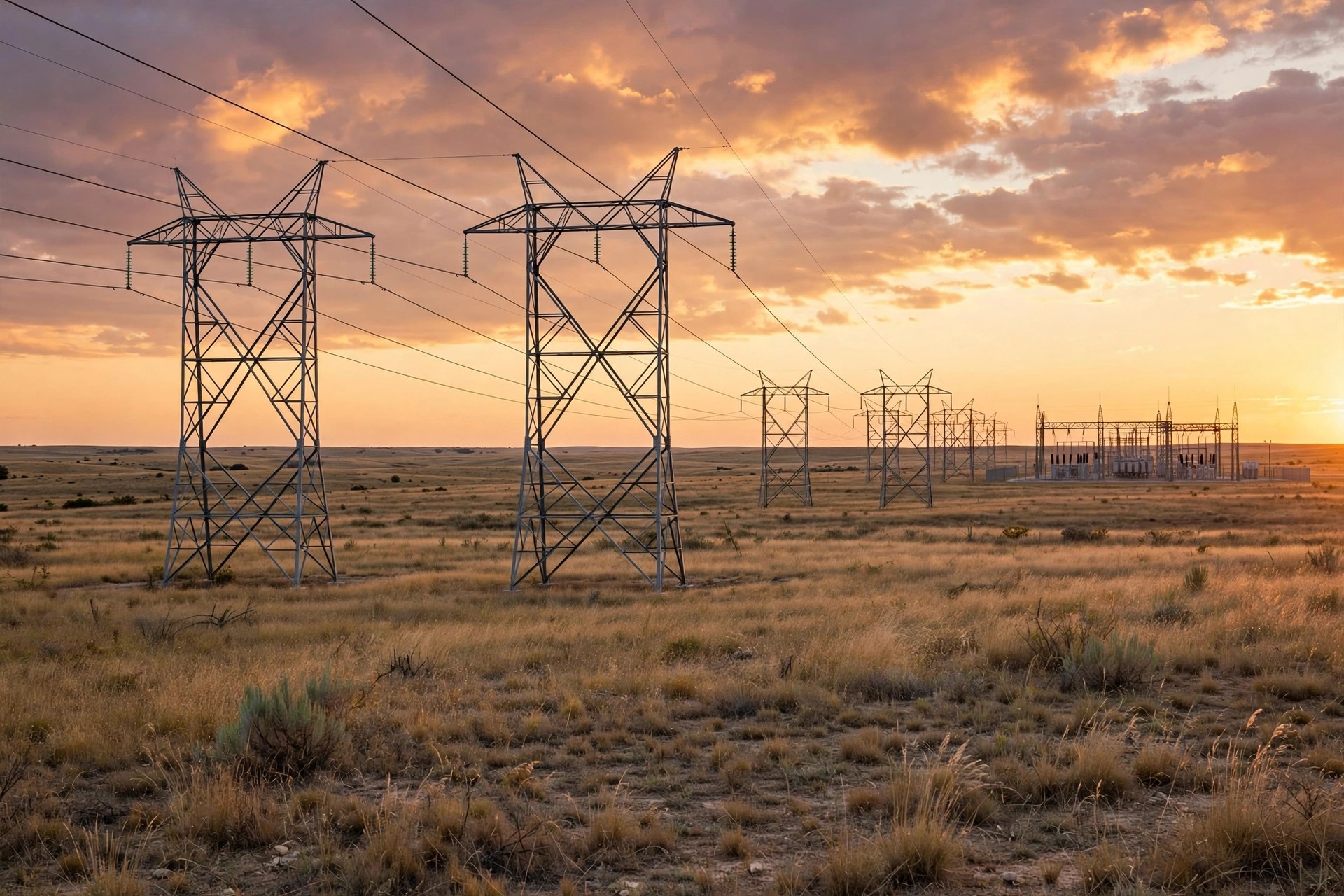
Gov.-elect Gina Hinojosa says that on her first day in office she will freeze residential electricity rates, framing the move as a response to an affordability crisis - and policy analysts and legal observers are already questioning whether a governor's emergency powers can reach into the state's deregulated, competition-based power market, according to the Political.org analysis read by this desk. Hinojosa won the November 3 gubernatorial race and is scheduled to be sworn in on January 19, 2027. She has pledged to declare a “high-cost emergency” within an hour of taking the oath and issue an emergency executive order freezing rates, and her campaign website says she would direct the Public Utility Commission to freeze residential rates until laws ensure data centers and other high-load users pay for themselves. “On Day One as governor, I'll freeze residential electricity rates and make corporations finally pay their fair share,” she said in an interview with a local energy data group, reiterating the plan to the Texas Tribune.
The core legal question is whether an affordability problem qualifies as a disaster. Under the Texas Disaster Act of 1975, the governor can declare a state of disaster and exercise certain emergency powers, including suspending specific regulatory requirements - but declarations must be renewed after 30 days and can be terminated by the Legislature at any time. Nick Loris, president of C3 Solutions, said the act gives a governor sweeping suspension authority but that he sees a high degree of skepticism, from courts and policymakers, that the circumstances warrant such a declaration, and he expects legal challenges from energy providers almost immediately: “I would imagine if there were legal challenges, it would come from those affected parties,” he added.
Critics also point to the structure of the market itself. Texas lawmakers wrote into state law that electricity production and sale is not a monopoly warranting regulation of rates, and that prices should be determined by customer choices and the normal forces of competition, with exceptions for transmission and distribution services and recovery of stranded costs. Loris argued that if suppliers are not covering their costs they would be left worse off and more vulnerable in their ability to provide power, likening price signals to a traffic light. The politics have a history: electricity costs have been an issue since Winter Storm Uri in February 2021, Hinojosa's campaign website says Texans are paying about $40 more a month because of that storm's aftermath, and in June 2024 the Supreme Court of Texas ruled the Public Utility Commission acted within its authority in taking emergency measures that raised prices and was immune from suit.
The fight has already moved to the legislative arena, weeks before the inauguration. Republican state Rep. Brian Harrison has urged Gov. Greg Abbott to convene a special session to rein in the governor's executive emergency powers before Hinojosa takes office, warning that if the powers are not revoked she would inherit nearly all the powers of a dictator, as reported. Whether Abbott calls such a session has not been announced. Between now and January 19, the developments to watch are the ones the analysis names: the text of any executive order, whether the Legislature acts on emergency powers, and whether utilities and retailers file suit once a freeze takes effect.