Ukraine and Russia Trade Strikes a Day Before US-Brokered Talks in Abu Dhabi, as Trump Says a Deal Is 'Very Close'
Russia struck four Ukrainian power substations and Ukraine set fire to one of Russia's largest oil refineries on Monday - hours before the two delegations sit down in Abu Dhabi for the first face-to-face talks since February, with the United States mediating and security guarantees at the top of the agenda.
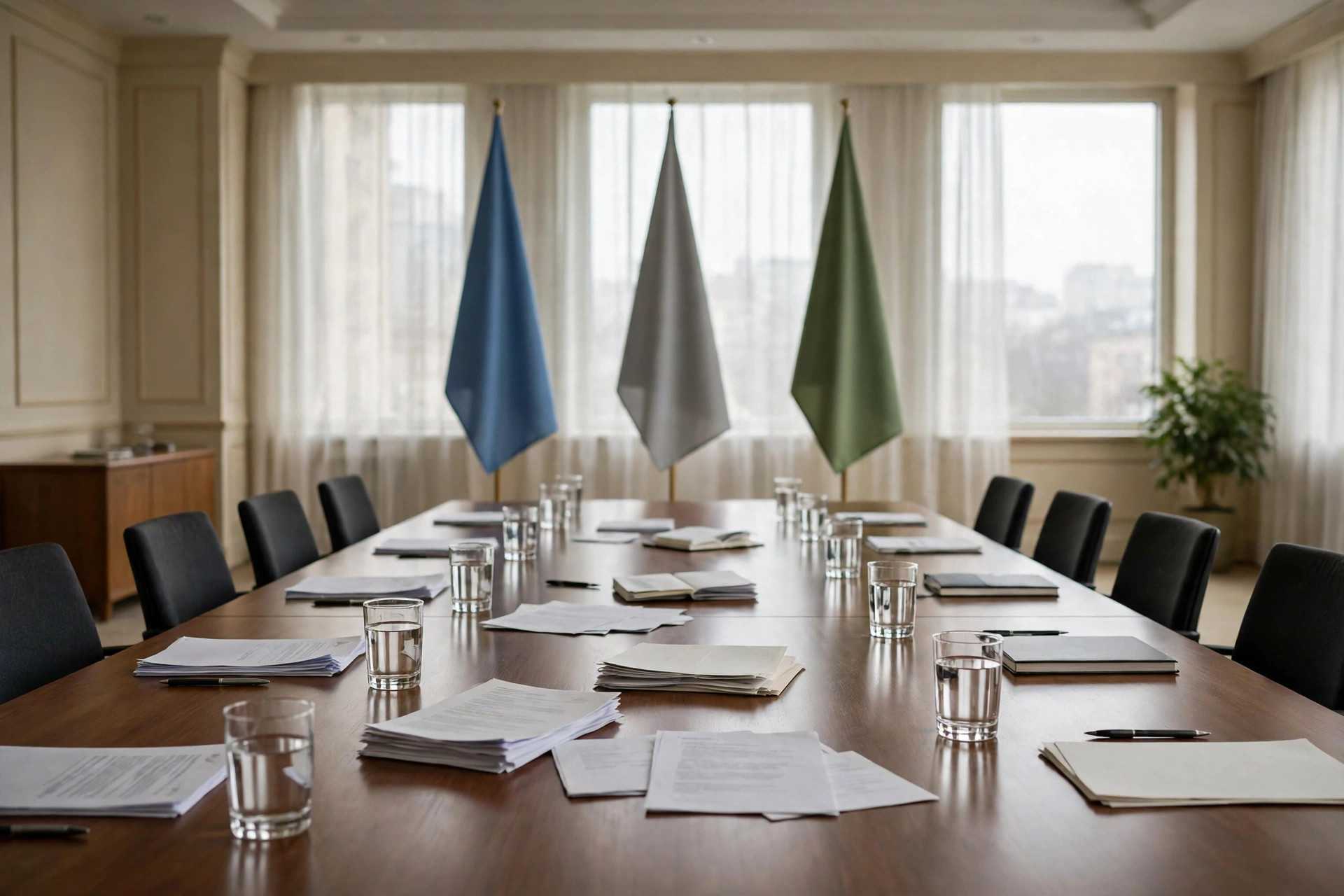
The negotiating table and the battlefield moved in opposite directions on Monday. Hours before Russian and Ukrainian delegations were due to meet for new U.S.-brokered talks, Russia battered Ukraine's power grid again and Ukrainian forces hit another of Russia's biggest oil refineries, officials said. The working-level talks are scheduled for November 10 and 11 in Abu Dhabi, announced by Special Envoy Steve Witkoff - the first face-to-face negotiations since a February round in Geneva delivered no significant progress.

The Monday exchange, as each side reported it: Russia's Defense Ministry said it targeted four electrical substations in Ukraine's Kyiv, Dnipropetrovsk, Cherkasy and Vinnytsia regions, part of a campaign against the grid as winter approaches; Ukraine's air force said Russia launched 317 drones overnight, including 105 jet-powered drones. Russian forces also hit a warehouse in Odesa holding food supplies for kindergartens and schools, killing three people, local officials said. On the other side of the ledger, long-range Ukrainian drones started a fire at the KINEF oil refinery near St. Petersburg, more than 1,200 kilometers from the border, Leningrad Gov. Alexander Drozdenko said, and Ukraine's General Staff said its forces struck a plant near St. Petersburg that produces solid rocket propellant for Iskander-M ballistic missiles. President Volodymyr Zelenskyy said Monday the European Union had agreed to activate a special emergency mechanism that speeds up funding for power grid repairs.
What is actually on the table in Abu Dhabi, per the officials preparing it: post-war security arrangements, de-escalation, humanitarian efforts and next steps toward peace. Russian Foreign Minister Sergey Lavrov said Monday that President Trump's team has placed 'collective security' - covering not just Russia and Ukraine but a wider area - at the top of the agenda for the two days of discussions. The expected U.S. representatives are Witkoff and Jared Kushner, and American negotiators are also to meet this week in Brussels with representatives from France, Germany, the United Kingdom, the EU and NATO on security guarantees for Ukraine and Europe. Who else sits in the room is itself disputed: Kremlin spokesperson Dmitry Peskov said Monday the meeting would focus on trilateral negotiations with the United States mediating and Moscow insists Europe will not take part in the three-way talks, while French Foreign Minister Jean-Noel Barrot said Sunday that France and other European representatives would be in the UAE.
President Trump set the expectation the talks now have to meet. In the '60 Minutes' interview that aired Sunday, he said Moscow and Kyiv are 'very close' to a deal, despite the 'tremendous hatred' between Presidents Vladimir Putin and Volodymyr Zelenskyy, and that Ukraine would have 'a little bit different shape' under a settlement - a remark he did not elaborate on. The war is nearly five years old. The Abu Dhabi round begins Tuesday; this desk will file what the delegations actually agree to, and nothing they have not.