Four Texas Bills to Watch: a Warrant for Plate Readers, No THC Tests for Public Workers, $7,500 Per Student - and Water Reports for Data Centers
Of the 1,270 bills in the prefile stack, four show Houston exactly where the 2027 session's fights will land: police databases, workplace drug tests, the school funding formula and the water bills of the data-center boom.
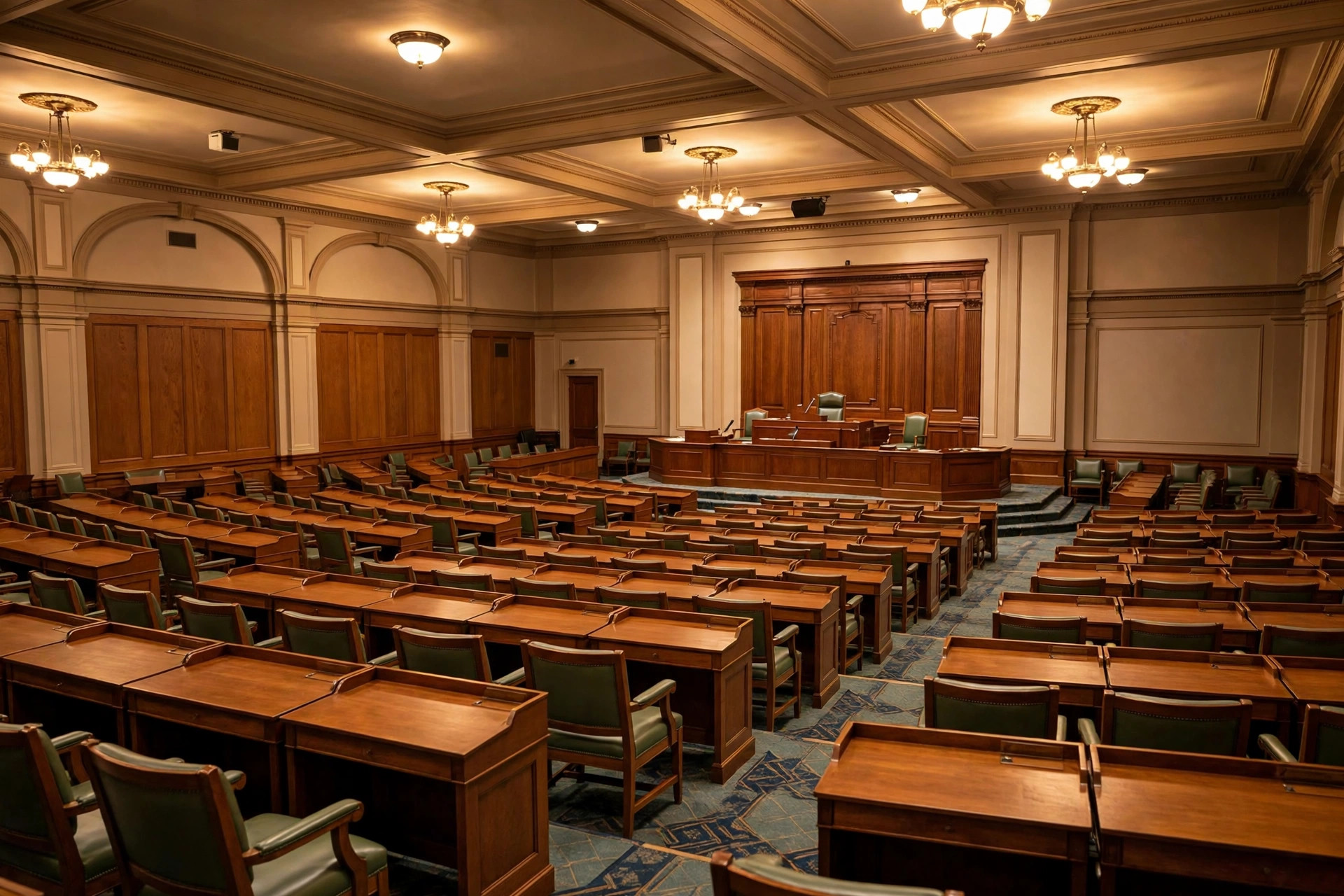
The prefile stack for the 2027 session kept growing on its second day: the Texas Legislature Online tally checked Tuesday showed 1,270 House and Senate bills and 100 resolutions filed since the window opened Monday, ahead of the 90th Legislature convening on January 12. Most will never move. Four of them, read in full this run, map cleanly onto fights Houston already knows - and each one is carried here as introduced, not as law, because no bill for the upcoming session has passed anything.
House Bill 847, by Republican Rep. Brian Harrison, takes on automatic license plate readers, including the Flock systems Houston-area agencies use. It would require a warrant or court order to use a reader, limit use to investigations of specified violent offenses, require most collected data to be destroyed promptly, and force agencies to publish a policy and an annual report counting plates scanned and scans that led to an arrest or prosecution. Harris County Precinct 4 Assistant Chief Deputy Toby Hecker pushed back on the limits in an interview with FOX 26, saying the data's number-one use is recovering stolen vehicles and describing deputies finding older adults with dementia who had driven away - a tool, he argued, that a violent-crimes-only rule would overlook. His office, he said, does not own cameras but accesses area data through Flock's law-enforcement system, with a case or call number required for each look-up.
Two more bills work the cannabis and classroom ends of the stack. House Bill 507, by Democratic Rep. John Bucy III, would bar state agencies and local governments from requiring covered employees and contractors to pass a cannabinoid drug test as a condition of work - with exceptions for peace officers and workers under federal transportation testing rules - and would protect covered workers' use of low-THC cannabis under the state medical program and consumable hemp products. House Bill 178, by Democratic Rep. Donna Howard, works the biggest number in Texas government: it would raise the basic allotment in the school finance formula from $6,215 to $7,500 per student, a $1,285 increase, and adjust funding for inflation from there. Both bills, like HB 847, are proposals in a session that has not started; Lieutenant Governor-elect Vikki Goodwin, introducing her transition team Tuesday, named public education, affordability and health care as her priorities and regulation - not a full ban - as her THC posture, without endorsing any of these specific measures.
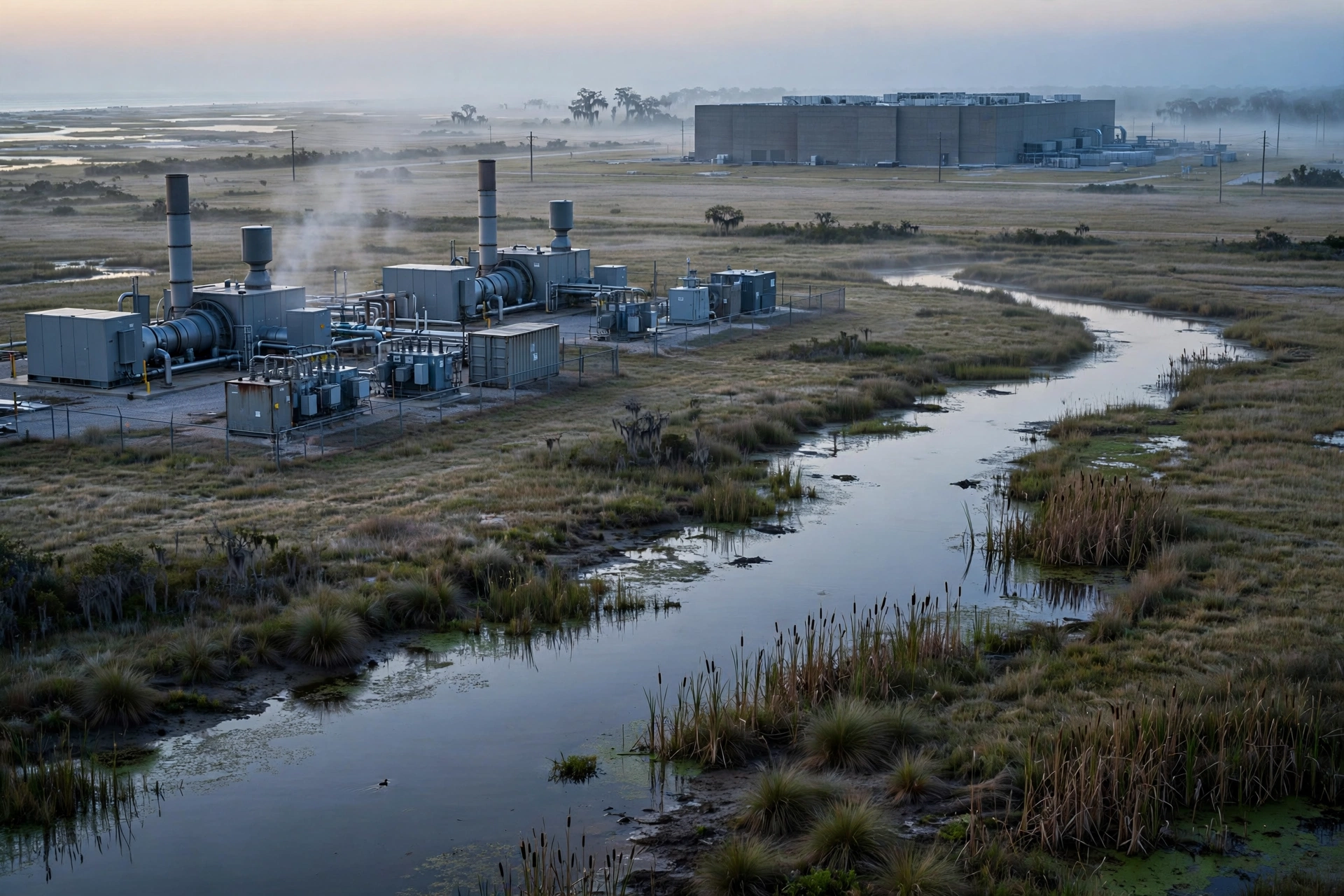
House Bill 529, by Democratic Rep. Salman Bhojani, is the data-center bill: facilities or campuses at or above 75 megawatts of electricity demand, or 300,000 gallons of water in any 30-day period, would register, file water-resource impact assessments and conservation plans, and report water use publicly every year, with a public registry and notice to local governments and water providers. For a Houston region courting data centers while it guards its water supply, that disclosure fight may be the session's most local one. The introduced versions of HB 847 and HB 507 list a September 1, 2027 effective date - a reminder of how far every one of these proposals still has to travel.