Cannabis Seeds and Kings: Inside the Siberian Tomb That Proved an Ancient High
More than 1,400 cannabis seeds went into a Scythian royal tomb in Siberia. Hair from the dead came back with THC in it — the first direct chemical proof of cannabis use, 2,800 years old.
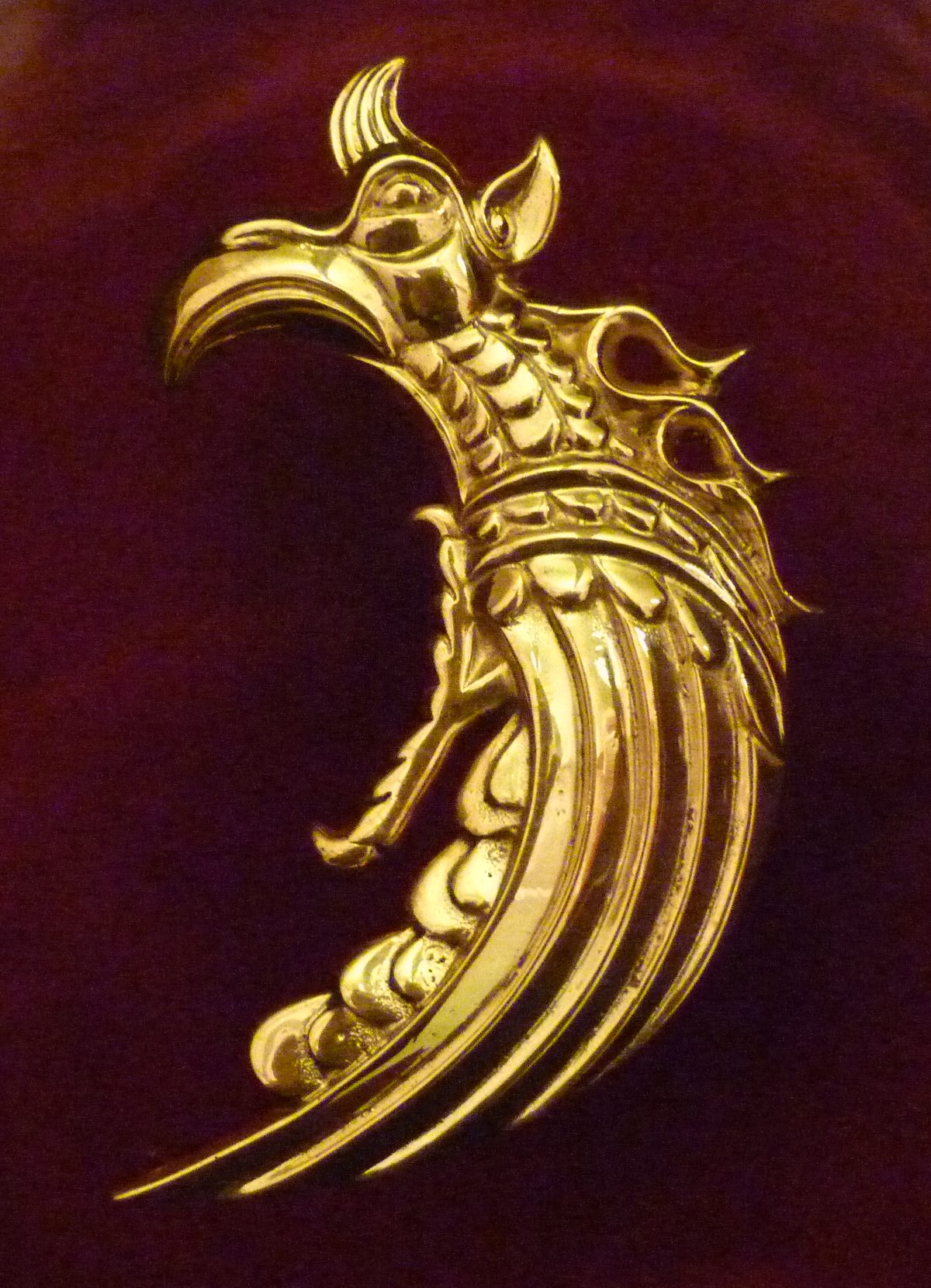
HOUSTON — The Scythians were the steppe's great horsemen — archers, raiders and goldsmiths whose animal-style art still stops museum visitors cold. What archaeologists could never quite prove was the rumor, written down by the Greek historian Herodotus 2,500 years ago, that they used cannabis in their rituals. A tomb in southern Siberia has now proved it in a laboratory.

The burial mound, in the Uyuk Valley of Russia's Tyva republic, spans about 460 feet and was raised in the early 8th century BC from larch logs and clay under thousands of tons of stone. Inside, a team led by Gino Caspari of the University of Bern and the Max Planck Institute of Geoanthropology found elite burials — and more than 1,400 cannabis seeds. Then they tested hair braids from several of the dead and found the signatures of THC, cannabis's psychoactive compound, and cannabinol.
Hair keeps receipts. As it grows, the body deposits drug compounds into it — the basis of modern hair-follicle testing — and the Siberian cold kept those receipts readable for roughly 2,800 years. The study, published in the journal Science and reported by Reuters, is the oldest direct evidence that people consumed cannabis for its psychoactive effects; older sites in the Middle East and the Pamirs showed burned material and equipment, not the drug inside a person.
The scene around the dead matches Herodotus with unsettling precision: gold objects, animal-style art, and sacrifices of dozens of horses — and probably people — spread across the mound. The seeds, remarkably intact, are being DNA-sequenced; researchers call them the oldest cannabis DNA known and say the results could partly rewrite the plant's domestication story. One limit stands: the hair cannot say whether the Scythians smoked it, ate it or breathed it in a tent — only that it was in them when they were laid in the tomb.