Federal Reserve Decision Wednesday: Markets Expect Rates Held at 3.75% to 4%, With December the Real Fight
The Federal Reserve is widely expected to leave its benchmark rate unchanged at 2 p.m. Eastern on Wednesday - futures markets price the hold at better than 9 in 10 - and the day's real news will be what Chair Kevin Warsh signals about a December hike that markets already price at 84%.
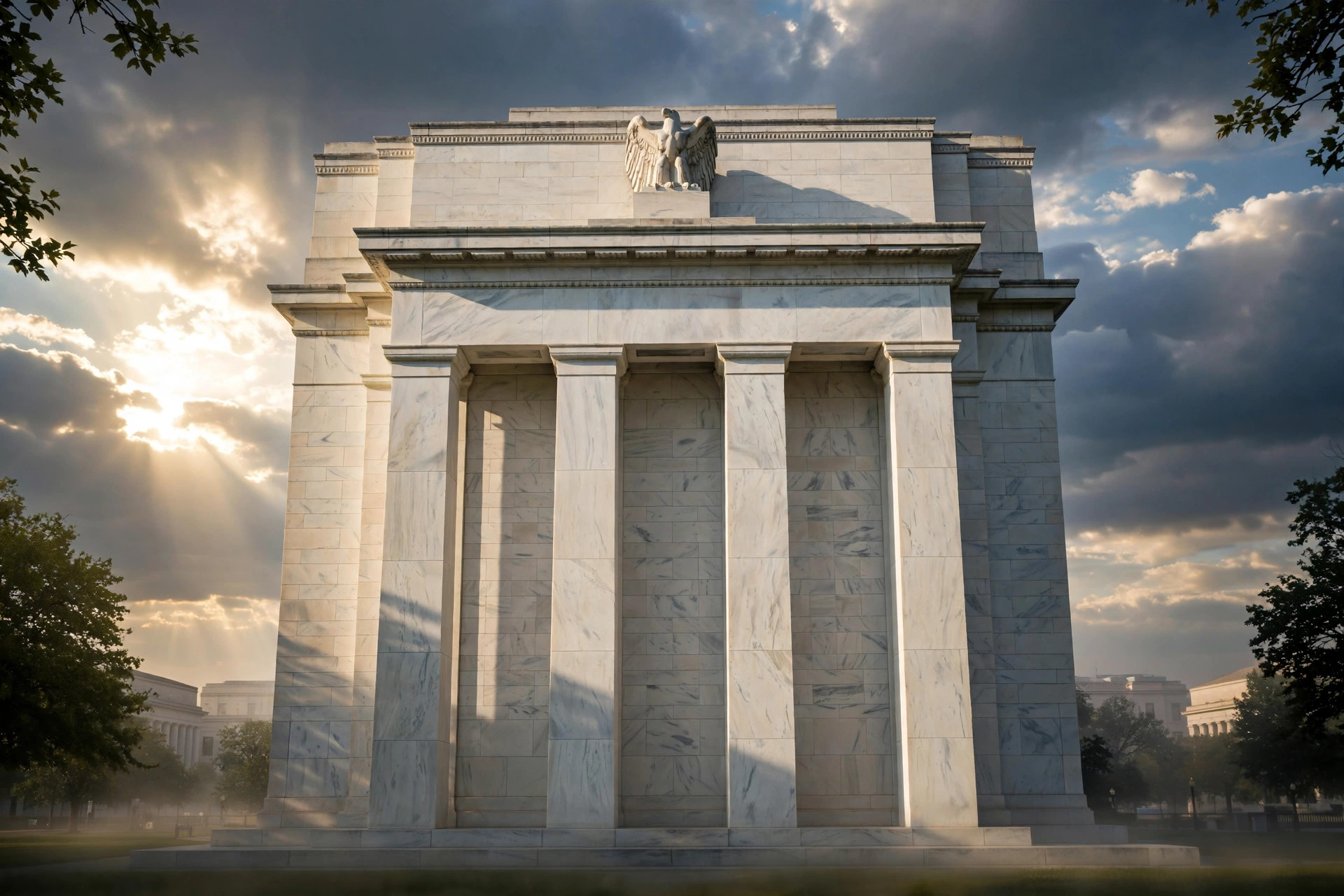
The Federal Reserve delivers its October decision at 2 p.m. Eastern on Wednesday, and the near-unanimous expectation is that nothing changes: the central bank is widely expected to keep its benchmark interest rate in the current target range of 3.75 percent to 4.0 percent, Reuters reported, while signalling the probability of a move in December. Fed funds futures price an implied 91 percent probability of a hold, according to CME Group's FedWatch tool; FXStreet put the market's hold pricing at nearly 92.8 percent, with the chance of a rate hike in December standing at 84.4 percent.

"The Fed doesn't need to hike today to move markets," said Chris Weston, head of research at Pepperstone Group, in remarks reported by Reuters. "It simply needs to change the perceived probability of hiking in December." The dollar held at a two-week high ahead of the decision - its index rose 0.3 percent to 102.40 on Tuesday, the highest since October 14 - and the yield on the 10-year Treasury note sat at just under 5 percent, at 4.9967 percent. Traders, FXStreet reported, will monitor any hints Fed Chair Kevin Warsh gives on the outlook.
For Texas, a hold at 3.75 to 4 percent keeps borrowing costs where they have been - for the home buyers in a state whose housing costs have been a campaign issue all fall, and for the energy producers whose drilling economics run on credit. The December question is the one that matters: if Warsh's signals keep the market's 84 percent December-hike pricing alive, Wednesday's decision reads as a pause before a rise; if he pushes against it, the pause itself becomes the story. The decision lands six days before a midterm election in which inflation and the cost of living top voter concerns in poll after poll - timing the central bank does not choose, but cannot escape.