Can a New Congress End the Iran War? Reuters Maps the Funding, War Powers and Oversight Levers - and the December 11 Deadline
Reuters' explainer is plain about the limit: Congress cannot unilaterally end the eight-month war with Iran. But the Democratic Congress sworn in on January 3 holds the funding pen, the war powers calendar and the subpoena - and the first test arrives December 11, when the current government funding bill expires.
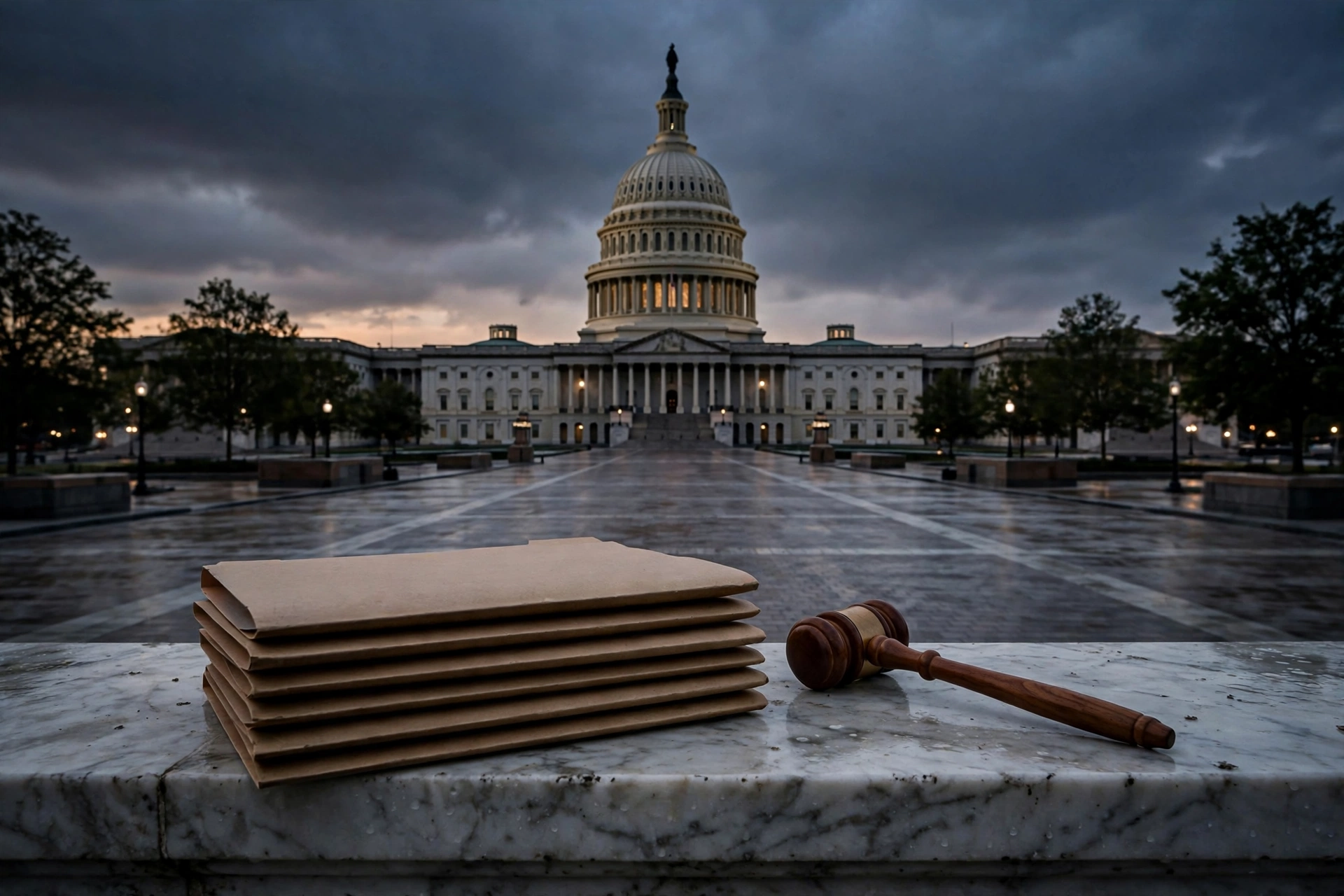
The American public wants the war with Iran to end, and said so at the ballot box. Reuters reported that voters handed President Donald Trump's Republicans a resounding defeat in last week's congressional elections after eight months of an unpopular war, and that Trump has acknowledged the conflict contributed to his party's losses - while defending the war, insisting he has won it and saying it will continue. Congress cannot unilaterally end the fighting, Reuters' explainer notes, but it can pressure the president to do so, and the new Congress is scheduled to be sworn in on January 3.

The strongest lever is money. Under the Constitution, Congress decides how federal funds are spent, and Trump has asked the House and Senate to approve an increase in the defense budget from about $950 billion to $1.5 trillion, plus an additional $67 billion for the war, Reuters reported. Democrats say they will not approve such a budget next year and have proposed cutting off funding for the war even before the new Congress is seated. The current government funding bill expires on December 11, meaning Congress must pass a full-year budget or a short-term plan to avoid a shutdown right before Christmas. Once Democrats control Congress, they can write clauses into budget bills forbidding the use of any funds for hostilities against Iran - and they can also refuse to authorize war funding in the annual National Defense Authorization Act, which has passed every year since 1961. House Appropriations Chairman Tom Cole of Oklahoma told reporters this week that a Republican Congress would not send Trump bills he would veto, and that Democrats would have to "wait until next year."
Legislation is the second track. Trump did not secure approval from Congress before launching the war alongside Israel on February 28, and Democrats, joined by a few Republicans, have voted repeatedly to end the fighting unless he seeks congressional authorization, Reuters reported. One war powers resolution passed both the House and the Senate, but the administration ignored it, and legal experts said there is no consensus on whether it was binding. A Reuters/Ipsos poll this month showed 71 percent of Americans - including 93 percent of Democrats and 51 percent of Republicans - want Congress to pass legislation ending the conflict. Any such measure faces a likely Trump veto, and overriding one takes two-thirds majorities in both chambers, meaning Democrats would need Republican support.
The third track is oversight. An effort led by Republican Representative Thomas Massie, backed mainly by Democrats, to impeach Defense Secretary Pete Hegseth on charges including waging the war without congressional approval failed this week, Reuters reported, but Democrats may try again next year. Once they control the committees, Democrats can hold hearings, launch investigations into the war's strategy, spending and conduct, and issue subpoenas to compel testimony; members have already sent letters to the State and Defense departments asking for the preservation of documents. If the administration refuses to cooperate, Congress can apply pressure of its own, from withholding officials' travel budgets to, in the Senate, declining to confirm Trump's nominees.